The idea behind our script timing model
Voice-over timing looks simple only at first glance. In production, punctuation, numbers, abbreviations, pauses and sentence rhythm can change the spoken length of a script dramatically. That is why a basic “two words per second” formula often fails in practice.
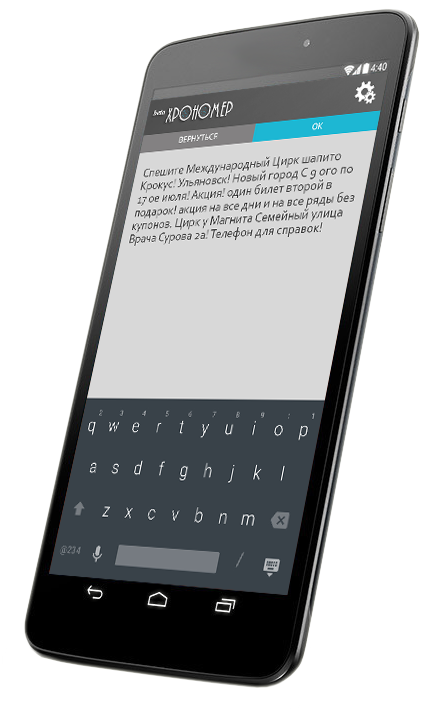
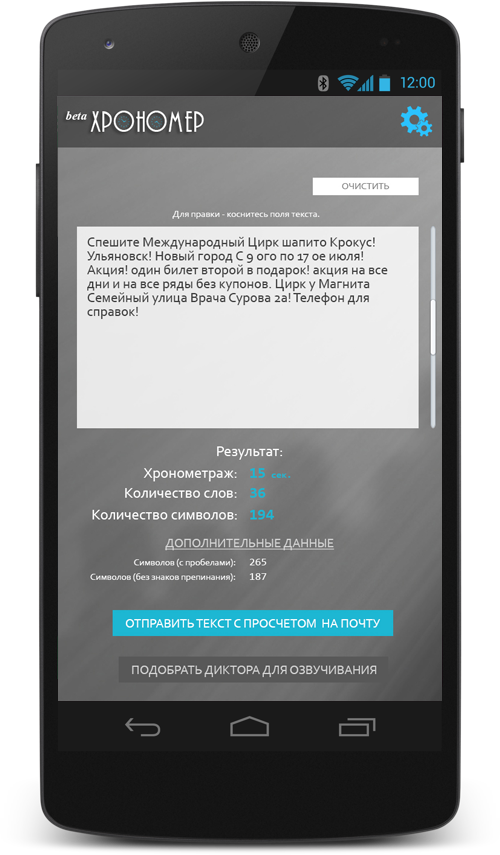
Chronometer was designed as a more useful planning tool for advertising scripts. It estimates timing with the realities of spoken delivery in mind, not just raw word count.
Delivery speed matters
The tool lets you think in terms of delivery style, not only text length. A calm explanatory read and an energetic sales read do not behave the same way, so timing should never be treated as a flat universal number.
That extra layer makes the result more helpful when you are planning media placement, recording sessions or budget expectations.
Words, symbols and structure
Copywriters often need to balance message density with timing. Chronometer helps you trim or expand a script until it fits the planned length, while still keeping the meaning intact.
That makes it useful not only for voice-over studios, but also for scriptwriters, production managers and anyone who has to align text length with a fixed run time.